When to Upgrade Commercial Fire Alarm and Sprinkler Systems in Denver and How to Prepare Internally
For most building owners and facility managers, fire protection upgrades do not start as a capital project. They start as a nuisance, a failed device, an inspection comment, a tenant improvement, or a creeping sense that the system in the building no longer fits the way the space is actually being used.
That is usually the real moment to pay attention.
In Denver, commercial fire protection is not just a maintenance line item. It sits inside a framework of city review, permits, acceptance testing, inspections, and ongoing records. The Denver Fire Department Fire Prevention Division, along with the Fire Code Official and Fire Marshal, has authority over enforcement and inspections related to hazards, disabled life safety systems, and false alarms. That means an upgrade decision is rarely just technical. It is operational, regulatory, and financial at the same time.
I have seen owners wait too long because the system still technically "works." A panel still powers up, a sprinkler system still has water, the last alarm event reset, and nobody wants to be the person who opens a project that might affect occupied space. But older systems tend to tell on themselves before they fail outright. They become expensive to service, difficult to test, awkward to modify, and stressful during inspections. Once you are there, you are no longer deciding whether to upgrade. You are deciding whether to do it on your own schedule or under pressure.
The clearest signs that an upgrade is due
Not every system needs replacement just because it has age on it. Some buildings have older equipment that can still be maintained properly. Others become risky far sooner because the occupancy changed, the layout changed, or previous workarounds piled up over time.
A few patterns come up again and again in Denver properties. If your team is seeing several of these at once, you are probably beyond routine maintenance and into upgrade territory.
- Repeated inspection deficiencies, especially when the same issues keep returning after service visits.
- Renovations or tenant improvements that change layout, use, or occupant load enough to affect alarm or sprinkler coverage.
- Frequent trouble signals, false alarms, disabled devices, or areas that staff no longer trust.
- Difficulty obtaining parts, programming support, or qualified service for existing equipment.
- Pressure from insurers, ownership, or acquisition due diligence to modernize records, testing, or system performance.
Those signs matter because they point to more than inconvenience. They suggest the system no longer supports the building in a reliable, manageable way.
A commercial alarm system, for example, is not just a set of horns and strobes. NFPA 72 governs fire alarm and signaling systems, including how they are designed, installed, inspected, tested, maintained, and how emergency communications are handled. If a building has gone through years of piecemeal changes, the panel logic, initiating devices, notification, and supervision may no longer reflect the current layout cleanly. That does not automatically mean the system is out of compliance, but it does mean you should stop assuming everything still lines up just because it once did.
The same goes for sprinkler systems. NFPA 25 covers inspection, testing, and maintenance for water-based fire protection systems. Good fire safety inspections in Denver often expose the difference between a system that has merely been kept running and one that is being managed well. Missing records, questionable impairments, old tags with no follow-through, or recurring trouble with valves, pumps, or backflow components can point to a larger need for modernization.
Denver projects often force the timing
In practice, many upgrades are triggered not by age but by construction. Denver requires permits for most construction, alteration, or repair work on private property. Fire protection work sits squarely in that environment. If you are reconfiguring suites, adding a new use, changing walls, moving exits, or altering building systems, fire alarm and sprinkler impacts follow close behind.
This catches owners off guard all the time.
Someone approves a remodel thinking mainly about finishes, MEP coordination, and schedule. Then the permit review reveals that fire protection engineering review is part of the process, that alarm or sprinkler permits need to be handled, and that final sign-off will depend on acceptance or approval. Suddenly the old system that was "good enough" becomes the longest pole in the tent.
That is especially important right now because Denver adopted new 2025 Building and Fire Codes effective December 31, 2025, and some projects may be able to use either the 2025 or 2022 code set depending on submittal date. If you own or manage multiple properties, timing can matter. A project submitted under one code path may move differently than one submitted later. That is not a reason to rush blindly, but it is a strong reason to talk early with the right fire protection professionals and understand what code framework your project will land in.
For sprinkler work, Colorado law adds another layer of discipline. Installation, modification, alteration, or repair generally cannot begin until the required permits are obtained, the job is registered, and working plans and hydraulic calculations are reviewed and approved. Owners sometimes think of sprinkler revisions as field-driven work that can be handled after ceilings open. That mindset causes trouble. In regulated jurisdictions, and especially on occupied commercial projects, the paperwork and review process are part of the real schedule.
Annual inspections are often the early warning system
Denver states that commercial and institutional properties are inspected annually, typically about every 12 months. Those fire safety inspections in Denver can look at exits, emergency lighting, fire-resistive separations, fire lanes, and records for fire safety systems. If deficiencies are found, an order notice for correction can follow.
This is where a lot of upgrade conversations start.
A building can make it through one annual inspection with a few manageable corrections. Two or three cycles later, the same property may be spending more and getting less. Staff scrambles before every visit. Testing paperwork is incomplete. The panel history is messy. Devices were disconnected temporarily and nobody can explain when or why. The sprinkler room has records, but not in a way that gives confidence. The inspection itself becomes a stress event.
That is a strong signal that the issue is not the inspection. The issue is the system management model.
I tend to look at inspection history as a trend line. One deficiency is not a crisis. Repeated problems around alarm supervision, maintenance records, disabled components, access to devices, or unresolved impairments suggest that internal control of the life safety program has weakened. At that point, an upgrade can actually simplify compliance rather than complicate it.
The same principle applies to fire extinguisher inspections in Denver, fire pump inspection Denver requirements, and backflow inspection Denver coordination. Even though those items are not the same as a full alarm or sprinkler replacement, they reveal whether the property team is staying ahead of required maintenance and documentation. When those basics slip, larger system problems are rarely far behind.
Alarm monitoring issues should not be brushed aside
Owners often separate the local fire alarm system from monitoring, as if the panel is one issue and communications are another. In the field, they are connected operationally. If your site has recurring trouble tied to off-site communication, account management confusion, or unclear response procedures, that deserves attention during any modernization discussion.
Fire alarm monitoring Denver needs to be dependable, clearly documented, and easy for the property team to manage. Even when the initiating and notification devices inside the building remain serviceable, the way events are supervised and communicated may be due for review. This becomes even more important in multi-tenant properties, buildings with after-hours operation, or facilities where no single person is always on site to interpret signals and coordinate follow-up.
The problem is not always hardware failure. Sometimes it is institutional drift. The monitoring https://preactionfire.com/fire-protection-parker/ contacts are outdated. Staff no longer knows who receives what call. Documentation on testing and supervisory signals lives in different places. When an alarm event occurs, the response turns into a phone tree exercise.
That kind of confusion is a real operational risk, even if every device in the building technically passes test.
Sprinkler systems usually age in quieter ways
Fire sprinkler systems tend to get less attention from ownership until a remodel happens or a deficiency becomes impossible to ignore. They are quieter systems from a management standpoint, and that can hide problems.
A building may need fire sprinkler installation Denver work because a new layout creates coverage gaps or because a change in use demands a different design approach. Another property may not need full replacement but does need meaningful modification. In both cases, owners benefit from looking beyond the immediate drawing markups and asking a broader question: are we simply patching an old network again, or does this project justify a more coherent upgrade?
Sprinkler work also tends to reveal all the other dependencies in the building. Valves need to be accessible. Backflow assemblies need current records. Fire pumps, where present, need to be part of the conversation. Acceptance and sign-off are not abstract administrative steps, they are what stand between finished construction and a truly closed permit.
This is where the language around fire suppression systems Denver can get muddy. People use "suppression" to mean all fire protection, but different systems have different obligations. Water-based systems fall under one set of expectations for inspection and maintenance, while special hazards or other system types may involve additional considerations outside the narrow facts available here. The practical point for owners is simple: define the actual scope early and do not let broad labels hide the permit and review work that is required.
Internal preparation is what separates smooth upgrades from painful ones
Most difficult projects are not difficult because the code path is impossible. They are difficult because the owner team starts too late, with incomplete records, unclear authority, and unrealistic assumptions about access and shutdowns.
The best internal preparation is not glamorous. It is disciplined.
Before you pursue pricing or submit for review, get your own house in order. Pull together prior inspection reports, service history, impairment records, current drawings if available, tenant improvement history, and contact information for the people who can actually approve downtime, spending, and access. If no one on the team can answer basic questions about the last annual fire safety inspections Denver required, you are not ready to move quickly.
These are the internal moves that help most:
- Assign one internal owner for the project, even if several departments are involved.
- Gather all available test records, permits, plans, and deficiency notices before design discussions begin.
- Identify occupancy constraints early, including after-hours access, shutdown windows, and tenant communication needs.
- Decide who approves scope changes and budget revisions, so field discoveries do not stall the job.
- Plan for acceptance testing and final approval as milestones, not as administrative afterthoughts.
That sounds simple, but it saves weeks.
One recurring problem in occupied properties is fragmented decision-making. Facilities wants reliability. Operations wants no disruption. Finance wants one number. Tenants want minimal notice. Risk management wants documentation. If no single person is empowered to reconcile those interests, the project drifts. Meanwhile, permits, reviews, and inspection windows keep moving.
A second problem is poor record quality. I have seen teams lose days trying to confirm whether a zone map is current, whether a previous sprinkler change was formally closed out, or whether a monitoring account was updated after a suite split. You do not need perfect records to begin, but you do need an honest picture of what you have and what is missing.
The permit path should shape your schedule from day one
In Denver, plan review can include fire protection engineering review. Acceptance or approval is required before final sign-off of fire alarm and fire protection permits. That matters because many internal project schedules still treat life safety review as a late-stage activity. It is not.
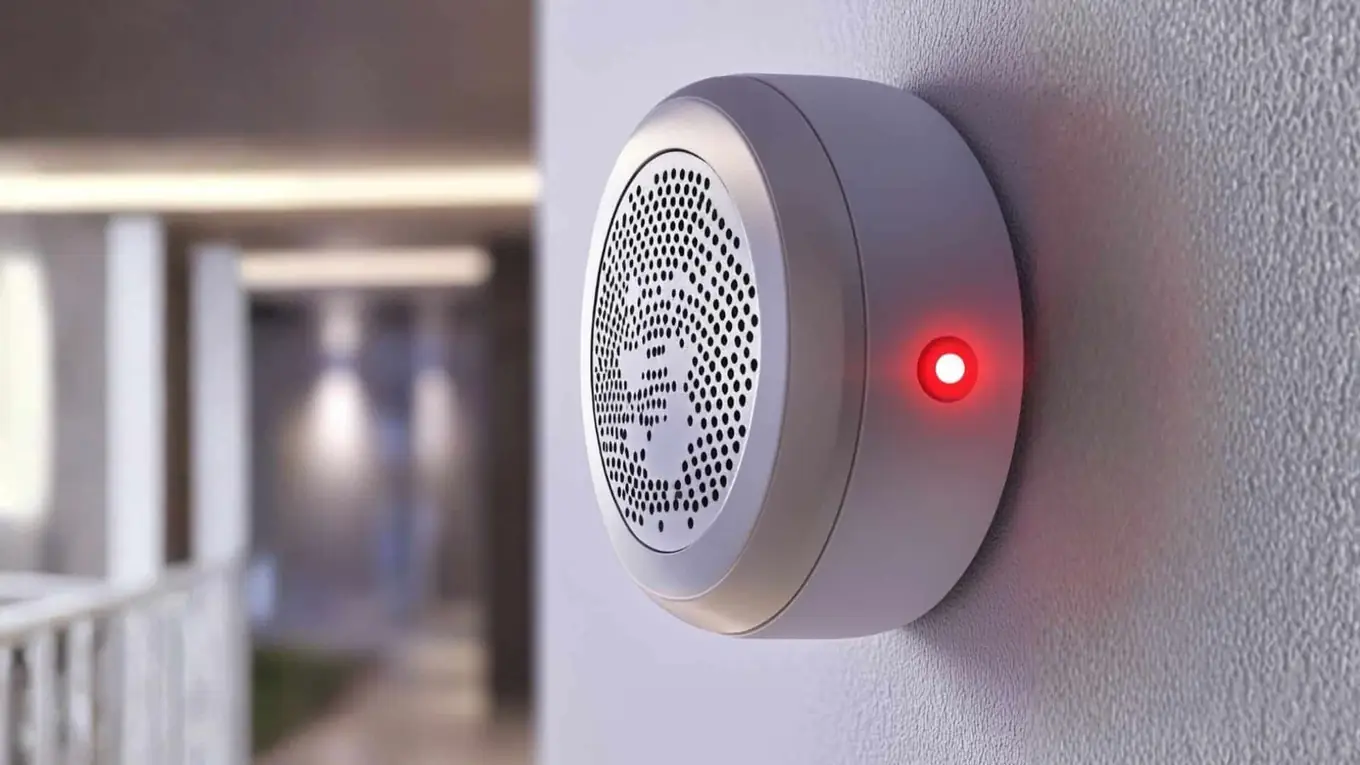
If your contractor finishes the visible work but acceptance testing is not coordinated, the project is not done in any meaningful sense. If required approvals are still open, turnover is incomplete. If inspections need to occur outside normal business hours, that coordination should be handled early, not after the tenant move date is already set.
This is especially important for owners managing phased renovations. A floor-by-floor approach may feel operationally safer, but it can complicate alarm sequencing, impairment planning, and final acceptance if the scope is not carefully organized. The city materials note that acceptance testing and permits may involve coordination with the Fire Department, and that special inspections can happen outside normal business hours when needed. Read that as a scheduling reality, not a footnote.
The practical lesson is that emergency fire protection Denver work should never be your default strategy. True emergencies happen, of course. But most upgrade pain comes from avoidable compression, when a known aging system is left alone until a tenant deadline or inspection issue forces action.
How inspections, certification, and compliance fit together
A lot of owners use terms like "certified," "inspected," and "compliant" interchangeably. That causes confusion.
Fire system certification Colorado conversations usually belong at the end of a properly completed process, after the permitted scope is installed, tested, and accepted as required. Inspections, on the other hand, are ongoing. Annual city inspections review conditions and records. NFPA compliance inspections Colorado often refer to the periodic testing and maintenance obligations tied to standards such as NFPA 72 and NFPA 25.
Those are connected, but they are not the same thing.
A building might pass through a project closeout while still having a weak internal maintenance culture. Another property might be diligent with recurring inspections but overdue for a larger modernization because repeated modifications have outgrown the original design logic. Owners who understand the difference make better decisions. They stop asking only, "Did it pass?" And start asking, "Can we manage this system confidently for the next several years?"
That is the right question.
The real cost of waiting
The financial case for upgrading is often stronger than it first appears, but not because new equipment is magically cheap. It is stronger because waiting has hidden costs.
There is direct service spend on repeat trouble calls. There is staff time spent escorting vendors, answering inspection questions, chasing records, and explaining recurring issues to tenants or leadership. There is project delay when a remodel uncovers fire protection work that was never built into the schedule. There is reputational cost when false alarms or system outages become routine. And there is the simple wear on the people managing the building, who start treating life safety as a recurring headache instead of a controlled program.
This is where fire protection Denver work rewards honest timing. If you upgrade before the system becomes a crisis, you can sequence work more intelligently, budget more accurately, and coordinate approvals without panic. If you wait until the system is actively interfering with occupancy or permit closeout, you pay for speed, uncertainty, and disruption.
A better way to frame the decision
Instead of asking whether your building can survive another year on the existing fire alarm or sprinkler system, ask whether the current setup still matches the building you actually operate.
Does the alarm system reflect the present layout and use?
Do your records support annual inspections without scrambling?
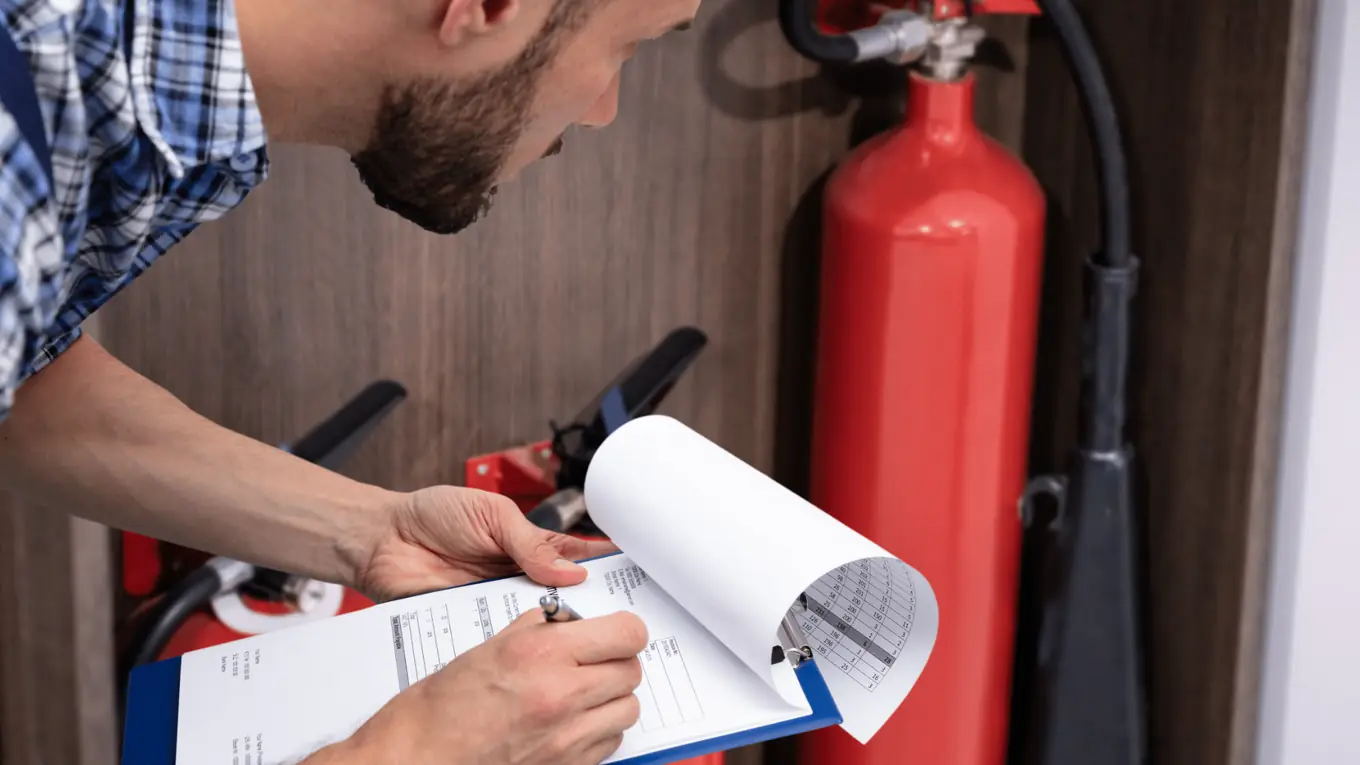
Can your team explain how monitoring, testing, and impairments are handled?
If sprinkler changes are needed, are you ready for the permit, plan, and approval path that Colorado and Denver require?
If the honest answer to several of those questions is no, the upgrade conversation is already here.
Handled early, it becomes a manageable facilities project. Handled late, it turns into a chain reaction involving deficiencies, tenant pressure, scheduling conflicts, and permit delays. Most owners get better outcomes when they choose the first path.
That is the quiet truth behind commercial fire protection Colorado work. The systems that protect the building also reveal how the building is managed. When they start showing strain, they are usually telling you something worth hearing.
Pre Action Fire, Inc
2921 W 38th Ave, Denver, CO 80211, United States
Phone: (303) 682-0113
Website: https://preactionfire.com