What Facility Managers Should Keep on File Before a Fire Marshal Inspection in Colorado
If you manage a commercial building in Colorado, a fire marshal inspection usually goes more smoothly when your paperwork is as organized as your equipment. That sounds obvious, but in practice, many inspection headaches come from missing records, incomplete reports, or a folder full of outdated documents that no one has reviewed in years.
I have seen buildings with excellent physical systems get bogged down because nobody could produce the last test report for the fire alarm, the sprinkler contractor’s deficiency notice, or the permit record from a tenant remodel. I have also seen the opposite, older facilities with a few manageable issues earn a much more productive inspection because the manager had every report ready, understood what had already been corrected, and could speak clearly about what was still in progress.
That is the real goal here. Before a fire marshal inspection Colorado facility teams should be ready to show not just that systems exist, but that they are being maintained, tested, repaired, and documented in a way the authority having jurisdiction can follow. In Colorado, and especially in the Denver area, that often means keeping records tied to adopted fire and building codes, local amendments, permits, and the applicable NFPA standards for alarms and water based fire protection systems.
The file cabinet matters almost as much as the riser room
A fire marshal or other authority having jurisdiction is not only looking at devices, valves, panels, and tags. They are verifying whether the building has a functioning process for life safety. Denver’s Fire Prevention Division has authority to inspect buildings, equipment, and life safety systems, and to investigate disabled or nonfunctioning fire protection systems. That alone tells you why records matter. If a system has been impaired, if a test failed, or if a device has been out of service, the paper trail becomes part of the safety story.

In Denver, projects also tie back to adopted International Code Council codes with local amendments. If your building has gone through alterations, expansions, or tenant improvements, those records can become relevant during an inspection. A clean mechanical room cannot explain a missing permit history for fire alarm work. A sharp looking lobby cannot substitute for documentation showing a suppression system inspection Denver contractor completed, noted deficiencies, and that someone followed through.
Good facility managers usually keep one master fire and life safety file, whether that is digital, physical, or both. The format matters less than the discipline behind it. What you want is a record set that answers the most common inspection questions without forcing anyone to hunt through email threads from three years ago.
Start with the governing records for the building
Before you even get into test reports, make sure you have the documents that describe what systems the building is supposed to have and what changes have been approved over time. This is especially important in multi tenant commercial properties, mixed use buildings, and older facilities that have seen repeated interior renovations.
For Denver area properties, tenant finish and alteration work may involve permits for plumbing, fire suppression, and fire alarm systems. That means tenant improvement fire protection Denver records should not live only with the contractor or the former project manager. They should be retained by the ownership or facility team in a way that lets you reconstruct what happened in the space.
A fire marshal inspection is much easier when you can show that a storefront remodel, office reconfiguration, or restaurant buildout went through the right review path and that fire alarm and sprinkler related work was part of permit review and inspection during construction. If a space changed from one use to another, or if walls shifted and devices moved, the documentation around that work can answer questions before they become violations.
The first group of records I like to see on file includes:
- The building’s basic permit and project history for fire alarm, sprinkler, suppression, and related life safety work
- Approved plans or closeout documents from major installations, remodels, or tenant improvements
- Records of final inspections or approvals associated with those projects
- A current contact list for contractors responsible for service, testing, and emergency fire protection Colorado support
- Internal notes identifying where the official life safety records are stored, if they are split between onsite and corporate files
That is not busywork. It is the backbone that tells the inspector, and your own team, what is supposed to be in the building.
Fire alarm records are one of the first things people ask for
If your property has a monitored or addressable system, you should assume the fire alarm paperwork will be reviewed closely. NFPA 72 is the core standard for fire alarm systems, including installation as well as inspection, testing, maintenance, and emergency communications systems. Even if the inspector does not ask for every line item, you want to be ready.
For many Denver metro buildings, the weak spot is not the presence of a fire alarm system but the continuity of the records. The site may have annual inspections in one binder, device trouble history in someone’s inbox, and panel repair notes sitting with the electrician. That fragmentation creates confusion during inspections.
A complete fire alarm file should help explain four things clearly. First, what system is installed. Second, when it was last inspected and tested. Third, whether any deficiencies were found. Fourth, what happened next.
This is where disciplined fire alarm system maintenance Denver practices make a real difference. If the annual test found a notification appliance issue on one floor and a duct detector trouble in another area, the report should not sit unresolved. The file should contain the inspection report, the deficiency notice, and the repair or retest documentation showing closure if the issue was corrected.
If your building has had enough piecemeal modifications over the years that the panel is difficult to support, it is also worth keeping a clean record of any evaluated need for a fire alarm panel upgrade Colorado project. That does not mean upgrading simply because equipment is older. It means if the system has known support or parts issues, the file should make clear what has been recommended, what has been approved, and what remains planned rather than completed. Inspectors generally respond better when facility teams are candid and organized than when they vaguely promise to “look into it.”
Water based systems need their own paper trail
On the sprinkler side, the standard is just as important. NFPA 13 covers the design, installation, and acceptance testing of automatic sprinkler systems. NFPA 25 covers inspection, testing, and maintenance of water based fire protection systems, including sprinkler systems, standpipes, fire pumps, and water storage tanks.
That distinction matters. NFPA 13 tells part of the story about what was installed and accepted. NFPA 25 tells the ongoing story about how it is being inspected, tested, and maintained. During a fire marshal inspection Colorado facility managers should be prepared to produce records that touch both, especially if the building has undergone modifications.
For commercial fire sprinkler systems Colorado properties often struggle with two recurring record gaps. One is undocumented changes after tenant work. The other is unresolved deficiencies that keep reappearing on inspection reports. A ceiling grid change, new partition wall, or room use change can affect sprinkler coverage. If there was work done, the supporting permit and completion records should sit with the ongoing inspection history.
Sprinkler and standpipe systems are expected to be evaluated under NFPA 25, with compliance verified by the local enforcement agency. In plain language, that means your reports should be current, understandable, and available. If there was a valve issue, corrosion concern, damaged head, missing escutcheon, obstructed storage clearance, or another item identified by the service provider, the file should show what was done with that information.
I have watched inspections get tense when the contractor’s report clearly noted deficiencies but the ownership team had no record of response. From an inspector’s perspective, the problem is no longer just the physical issue. It is the management gap.
Deficiencies and impairments deserve special attention
This is where experienced facility teams separate themselves from everyone else. Any building can have a deficiency show up on a report. The better question is whether you can document how it was handled.
NFPA guidance makes clear that inspection findings, deficiencies, and impairments are part of normal fire protection system maintenance and should be addressed under the applicable standard. So if a sprinkler riser component failed testing, a panel had a trouble condition, or a portion of the system was taken out of service, your file should not stop at the problem statement.
Keep the original report, the service recommendation, the work order or proposal authorizing repairs if applicable, and the follow up documentation showing the condition was corrected or remains under active management. If it remains open, be ready to explain why. Maybe a tenant access issue delayed entry. Maybe a specialty part had a long lead time. Maybe a remodel permit is already in progress and the correction is tied to that work. Specific explanations are always better than general ones.
An impairment is even more sensitive. If a system or part of a system has been disabled or is nonfunctioning, that is not a detail to bury. Since Denver’s Fire Prevention Division can investigate disabled or nonfunctioning fire protection systems, your records should make it easy to show when the impairment happened, what interim actions were taken, who was notified internally, and when the system returned to service. You do not need a theatrical binder for this. You need clarity.
Fire pump and backflow records often get separated, and that causes trouble
Larger or more complex properties often have separate vendors for alarm work, sprinkler work, pump testing, and domestic or fire line backflow. That arrangement is common, but it creates a recordkeeping trap. The life safety story gets divided among three or four contractors, each with their own report format and storage habits.
If your building has a pump, then fire pump testing Colorado documentation should be easy to locate and tied into the rest of the water based system file. The same goes for backflow preventer testing Denver records where applicable. These are not side files that should be stored under “plumbing” and forgotten. If they support fire protection performance or code compliance discussions, they belong in the main inspection record set or at least in a clearly cross referenced location.
I have seen facility teams lose time during inspections simply because they knew the tests had been done but could not remember which vendor had them. That is avoidable. A single index sheet or digital folder structure can solve it.
The practical minimum for these systems is simple. Keep the latest reports, keep prior reports long enough to show continuity and recurring issues if any, and keep repair https://coloradofiresuppression579.pinehavenscope.com/posts/when-to-upgrade-commercial-fire-alarm-and-sprinkler-systems-in-denver-and-how-to-prepare-internally follow up paperwork attached. If a test failed once and passed later, make sure both records remain together. A passing report without the failed one can leave gaps in the timeline that prompt more questions.
Portable extinguishers still matter, even in highly protected buildings
On paper, extinguishers can seem minor compared with alarms, sprinkler risers, or pumps. In real inspections, they still matter because they are visible, easy to verify, and often reveal how disciplined the building is overall.
A current fire extinguisher service Denver record should be maintained in a way that corresponds with what is onsite. If extinguishers were relocated due to tenant work, if units were added, or if a cabinet was removed during construction and replaced later, the paperwork should reflect the actual layout. A surprising number of buildings trip over basic mismatches here, especially after phased renovations.
This is also one of those areas where a manager’s walk through matters. If the service record is current but extinguishers are blocked by storage, hidden behind furniture, or no longer aligned with the occupancy layout after a remodel, the clean paperwork will not save the day. Records and field conditions have to agree.
Kitchen, clean agent, or other suppression systems need their own folder, not a footnote
Some facilities rely on more than standard sprinklers and alarms. Commercial cooking operations, special hazard rooms, or equipment protection systems may involve other suppression systems. If that applies to your site, do not bury those records in a vendor invoice file.
A suppression system inspection Denver report should stand alongside your other life safety records, with the same discipline around deficiencies, service dates, and follow up. From an inspection standpoint, a special hazard system is not an accessory. It is a life safety system with its own maintenance expectations and operational importance.
This comes up often in mixed use or amenity heavy properties. A building manager may know the kitchen tenant has “their own hood company,” but if there is no accessible record trail onsite, questions become harder to answer. The cleaner approach is to require tenants, through your property management process, to provide current documentation for any systems they maintain that affect overall fire code compliance Denver expectations within the building.
Tenant spaces are where recordkeeping often breaks down
Base building teams usually maintain central system records pretty well. Tenant spaces are another story. When a retailer changes hands, an office is reconfigured, or a restaurant does a quick remodel, the paperwork tends to scatter.
In Denver, tenant finish and alteration materials indicate that fire suppression and fire alarm permits can be part of that work. So if your building has frequent turnover, you need a process that captures those records before the tenant opens or before the contractor disappears.
The hidden risk is not only permit history. It is the cumulative effect of multiple changes over time. One suite moves a horn strobe. Another adds a partition near a sprinkler. A third revises the layout of an equipment room. Years later, the property team is left trying to explain why devices or heads look slightly irregular compared with original plans. Good tenant improvement fire protection Denver documentation helps avoid that scramble.
A practical habit is to treat every tenant project as part of the building’s permanent life safety record, not as a temporary leasing event. The project may be small to the tenant. It is not small to the next inspection.
How to organize the file so you can actually use it
Fancy binders do not impress inspectors nearly as much as fast retrieval. The best systems are usually boring. They are named clearly, updated routinely, and understood by more than one person.
If you are rebuilding your records before an inspection, focus on usability:
- Separate files by system, such as fire alarm, sprinkler and standpipe, fire pump, backflow, extinguishers, and special suppression
- Within each file, place the newest inspection and test reports first, but retain older records in date order behind them
- Attach deficiency notices and repair documentation directly to the report that identified the problem
- Keep permit and project closeout records for alterations and tenant improvements in a dedicated section tied to the affected system
- Maintain both a digital copy and an onsite accessible copy when possible, so records are available even if one person is absent
That system works because it mirrors how inspections unfold. A question arises, the relevant file comes out, and the answer is traceable in a minute or two.
What not to do the week before the inspection
Last minute cleanup can help, but last minute reconstruction rarely does. If your reports are scattered, resist the urge to dump everything into one folder and hope for the best. That usually creates duplicate reports, missing pages, and no clear status on open deficiencies.

Another common mistake is relying on verbal assurances from vendors. “We tested it last month” is not a record. “We fixed that issue” is not a closeout. If you cannot produce the document, you should assume the question is still open.
It is also risky to blur the line between scheduled work and completed work. If a fire alarm panel upgrade Colorado proposal has been approved but not installed, say that plainly. If a sprinkler repair is booked for next Tuesday, that is better than ignoring it, but it is still not finished. Fire marshals and inspectors deal with this every day. Straight answers paired with organized documentation usually go farther than polished excuses.
A calm inspection usually starts months earlier
The facilities that do best during inspections are rarely the ones that sprint the hardest the day before. They are the ones that treat records as part of operations. Their vendors send reports to a central contact. Their deficiencies get logged and tracked. Their tenant project closeouts include life safety paperwork. Their team knows who the authority having jurisdiction is and understands that compliance is local, practical, and ongoing.
That is especially relevant in the Denver area, where adopted code requirements, local amendments, permit review, and inspection authority all intersect. Whether you oversee a small office building or a large mixed use property, the expectation is the same. If a system protects people, the supporting records should be available, current, and credible.
For managers working with fire protection Denver metro service providers, that means asking for complete reports every time, not just summary invoices. It means keeping fire alarm system maintenance Denver records together with deficiency follow up. It means treating commercial fire sprinkler systems Colorado documentation as a living file, not a once a year event. It means keeping suppression system inspection Denver, fire pump testing Colorado, backflow preventer testing Denver, and fire extinguisher service Denver records connected rather than siloed.
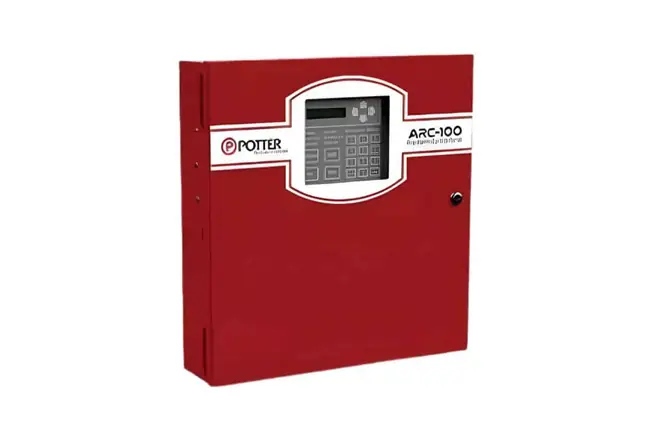
When those records are in order, a fire marshal inspection becomes what it should be, a verification process, not a scavenger hunt. And that is better for the inspector, better for the ownership team, and most important, better for the people who rely on the building to perform safely when it matters.